How AI Agents Optimize International Payments in Real Time

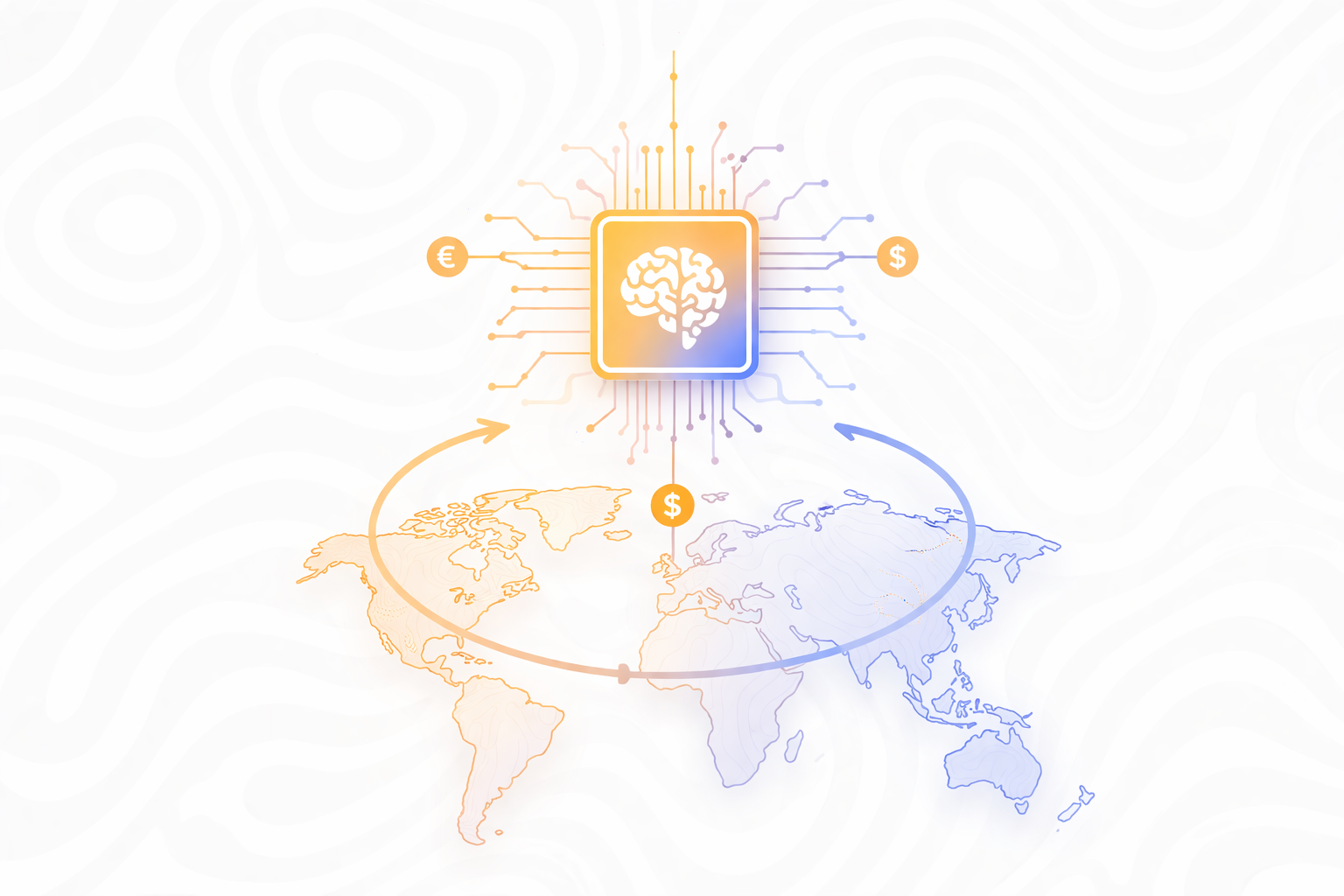
Introduction: International Payments Are Still Inefficient Despite years of innovation, international payments remain one of the most complex areas in fintech. They involve: Even today, many international transactions: The reason is simple: Most payment systems are still static, operating on fixed rules in a dynamic environment. This is where AI agents are beginning to redefine How AI Agents Optimize International Payments in Real Time

AI Agents in Fintech: From Automation to Autonomous Financial Operations

and why infrastructure platforms like Unipesa are the foundation for this shift Introduction: Fintech Is Moving Beyond Automation For years, fintech innovation has focused on automation. But automation has limits. It follows predefined logic.It executes instructions.It does not adapt in real time. Today, a new layer is emerging: AI agents – systems that don’t just AI Agents in Fintech: From Automation to Autonomous Financial Operations

What It Takes to Build Financial Infrastructure Across 20+ African Markets

african map

Introduction: Expansion Is Not Growth, It’s Infrastructure Most fintech companies think expansion is about growth. New markets. More users. Higher transaction volume. But in Africa, expansion is something entirely different. It’s not growth.It’s infrastructure. Every new market requires you to rebuild: What looks like scaling is, in reality, the following: a series of independent infrastructure What It Takes to Build Financial Infrastructure Across 20+ African Markets

Why Payment Infrastructure, Not Crypto, Will Define Africa’s Fintech Future

Introduction: The Distraction vs The Reality For years, crypto has dominated the global narrative surrounding African fintech. Headlines focus on: But this narrative misses the real story. Across Africa, speculative assets are not transforming fintech.Payment infrastructure is transforming the fintech landscape. Crypto adoption will not define the future of fintech in Africa.It will be defined Why Payment Infrastructure, Not Crypto, Will Define Africa’s Fintech Future

Blockchain and Fintech: Beyond Cryptocurrency in Africa

Introduction: The Wrong Narrative About Blockchain For years, blockchain in Africa has been framed as a story about cryptocurrency adoption. That narrative is incomplete. Across the continent, the real transformation is happening quietly — not in trading apps, but in financial infrastructure. Blockchain is increasingly being used to improve how money moves, how identity is Blockchain and Fintech: Beyond Cryptocurrency in Africa

Strategies for Scaling Fintech Startups Across Africa

Introduction: Scaling in Africa Is Not Linear Scaling a fintech startup in Africa is not just about growth—it’s about navigation. Unlike more uniform markets, Africa is a multi-layered ecosystem of 50+ regulatory environments, fragmented payment rails, diverse consumer behaviors, and infrastructure gaps. What works in Nigeria may fail in Kenya. What scales in South Africa Strategies for Scaling Fintech Startups Across Africa

Integrating Payment Solutions Without Disrupting Your Business

For many businesses, upgrading or integrating new payment solutions feels risky. Payments sit at the core of operations. Any disruption — failed transactions, downtime, or settlement errors — can directly impact revenue and customer trust. As digital payments evolve across Africa, businesses are increasingly looking to modernize their payment systems. But the question remains: How Integrating Payment Solutions Without Disrupting Your Business

Top Payment Gateways in Africa: A 2026 Guide for Businesses and Fintechs

Africa’s digital payments ecosystem has grown rapidly over the past decade, driven by mobile adoption, fintech innovation, and the expansion of digital commerce. Today, businesses operating across African markets need reliable payment solutions that can handle multiple payment methods — from cards and bank transfers to mobile money and wallets. This has led to the Top Payment Gateways in Africa: A 2026 Guide for Businesses and Fintechs

Payment Infrastructure vs. Payment Gateway: What’s the Difference?

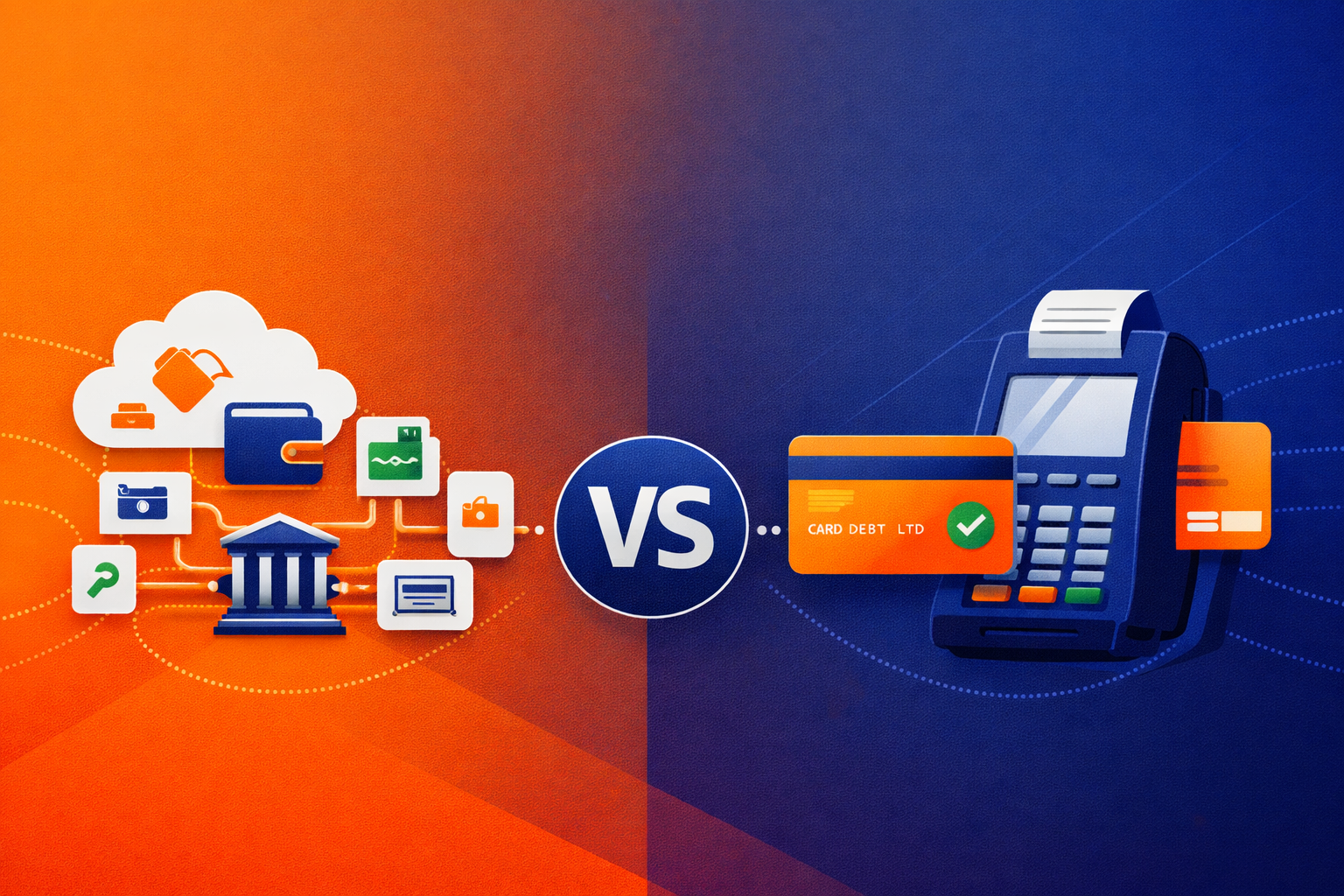
As digital commerce expands across Africa and other emerging markets, the payments ecosystem is becoming more complex. Businesses now accept payments through multiple channels, including cards, mobile money, bank transfers, digital wallets, and POS networks. Many companies entering the fintech space encounter two common terms: payment gateway and payment infrastructure. Despite their relatedness, these concepts Payment Infrastructure vs. Payment Gateway: What’s the Difference?

What Is Payment Orchestration and Why Fintech Platforms Need It

As digital payments grow across Africa and other emerging markets, fintech companies are facing a new challenge: payment fragmentation. Businesses must integrate with multiple banks, mobile money operators, card networks, and payment providers to serve users effectively. Managing all these connections individually can quickly become complex, expensive, and difficult to scale. This is where payment What Is Payment Orchestration and Why Fintech Platforms Need It

Case Study: How Top African Fintechs Built Ecosystems, Not Apps

Over the past decade, Africa has emerged as one of the most dynamic fintech markets in the world. Across the continent, digital payment platforms, mobile money services, and financial technology startups have transformed how individuals and businesses access financial services. However, the most successful African fintech companies did not simply build apps. They built ecosystems. Case Study: How Top African Fintechs Built Ecosystems, Not Apps

Why Digital Lending Platforms Need Strong Payment Infrastructure

Digital lending has become one of the fastest-growing sectors in African fintech. Over the past decade, technology-driven lenders have expanded access to credit for millions of individuals and small businesses that were previously excluded from traditional banking systems. From SME financing platforms to consumer micro-loans and buy-now-pay-later solutions, digital lenders are transforming how credit is Why Digital Lending Platforms Need Strong Payment Infrastructure

Why Payment Infrastructure Matters More Than Payment Apps

Over the past decade, fintech innovation has transformed the global financial industry. Startups have launched sleek mobile apps, frictionless payment experiences, and digital wallets that allow users to move money instantly. But behind every successful payment app lies something far more important: payment infrastructure. Infrastructure often distinguishes fintech companies that scale successfully from those that struggle Why Payment Infrastructure Matters More Than Payment Apps

How to Launch a Payment Service Provider in Africa: A Practical Guide for Fintech Founders

Africa’s fintech ecosystem is one of the fastest-growing in the world. Over the past decade, digital payments have transformed how businesses and consumers move money across the continent. From mobile money in East Africa to POS (point of sale) agent networks in West Africa, financial technology is expanding financial access while creating new business opportunities. How to Launch a Payment Service Provider in Africa: A Practical Guide for Fintech Founders

What Silicon Valley Keeps Getting Wrong About African Fintech

For over a decade, Silicon Valley has viewed Africa as the “next frontier” of fintech innovation. Investor decks mention massive unbanked populations.Panels discuss mobile-first leapfrogging.Founders talk about “the M-Pesa effect.” Yet despite the enthusiasm, there remains a persistent disconnect between how Silicon Valley frames African fintech — and how the ecosystem actually operates. The problem What Silicon Valley Keeps Getting Wrong About African Fintech

How Wallet Platforms Reduce Fraud in African Digital Payments

Digital payments across Africa are growing at an unprecedented speed. From mobile money transfers and POS transactions to embedded finance and cross-border settlements, digital wallets have become a core financial interface for consumers and businesses alike. But with growth comes risk. Fraud in African digital payments is evolving, becoming more sophisticated, faster, and harder to How Wallet Platforms Reduce Fraud in African Digital Payments

Why Wallet-Based Payouts Are the Fastest Way to Pay Gig Workers in Nigeria

Nigeria’s gig economy is expanding rapidly. From ride-hailing drivers and dispatch riders to delivery agents, freelance creatives, field sales agents, and marketplace vendors — millions of Nigerians now depend on flexible, on-demand income streams. But while digital platforms have modernized how gig workers earn, many still rely on outdated payout systems. Delayed transfers. Failed bank Why Wallet-Based Payouts Are the Fastest Way to Pay Gig Workers in Nigeria

Communication Orchestration vs. Simple Messaging APIs: What’s the Difference?

At first glance, a messaging API seems simple. You send a request.A message gets delivered.Job done. For many startups, this is enough at the beginning. But as fintech platforms, payment systems, wallets, and lending products scale, messaging becomes something far more complex. The difference between a simple messaging API and a communication orchestration platform is Communication Orchestration vs. Simple Messaging APIs: What’s the Difference?

How Unipesa’s Lending Platform Helps Fintechs Launch Credit Products in Weeks, Not Months

In African fintech, speed matters. Markets evolve quickly. Customer expectations change fast. Regulatory landscapes shift. Competitive windows open and close in months, not years. Yet when it comes to launching credit products, many fintechs still face the same old bottlenecks: For startups and banks alike, building lending from scratch can take 6–12 months. In a How Unipesa’s Lending Platform Helps Fintechs Launch Credit Products in Weeks, Not Months

How SMEs Can Use Digital Wallets to Reduce Cash Handling Costs and Boost Efficiency

Across Africa, small and medium-sized enterprises (SMEs) power the real economy. They run retail shops, logistics services, restaurants, marketplaces, and manufacturing operations. They move goods, serve communities, and create jobs. Yet many SMEs still rely heavily on cash. Cash feels immediate and familiar. But it is far from efficient. Behind every cash-based operation are hidden How SMEs Can Use Digital Wallets to Reduce Cash Handling Costs and Boost Efficiency

Confessions of a High-Risk Merchant: What Founders Wish You Knew About Payments

Let’s start with something most founders won’t say publicly: Being labeled “high-risk” isn’t a badge of dishonor.It’s often a sign you’re building something new. Gaming. Crypto. Cross-border e-commerce. Digital subscriptions. Travel. iGaming. Remittances. Emerging markets marketplaces. Even fast-scaling startups. If you move money in ways banks don’t fully understand yet — you become “high-risk.” But Confessions of a High-Risk Merchant: What Founders Wish You Knew About Payments

Can Your POS Do This? The African Retail Revolution Starts at the Checkout

Retail in Africa is changing faster than ever. Urban markets are expanding. Digital payments are rising. Consumers are younger, more connected, and increasingly mobile-first. Cross-border commerce is growing. Informal businesses are formalizing. And yet, many retailers are still operating with outdated tools. The checkout counter, often overlooked, has become the center of this transformation. Because Can Your POS Do This? The African Retail Revolution Starts at the Checkout

The Role of POS Terminals in Africa’s Financial Inclusion Journey

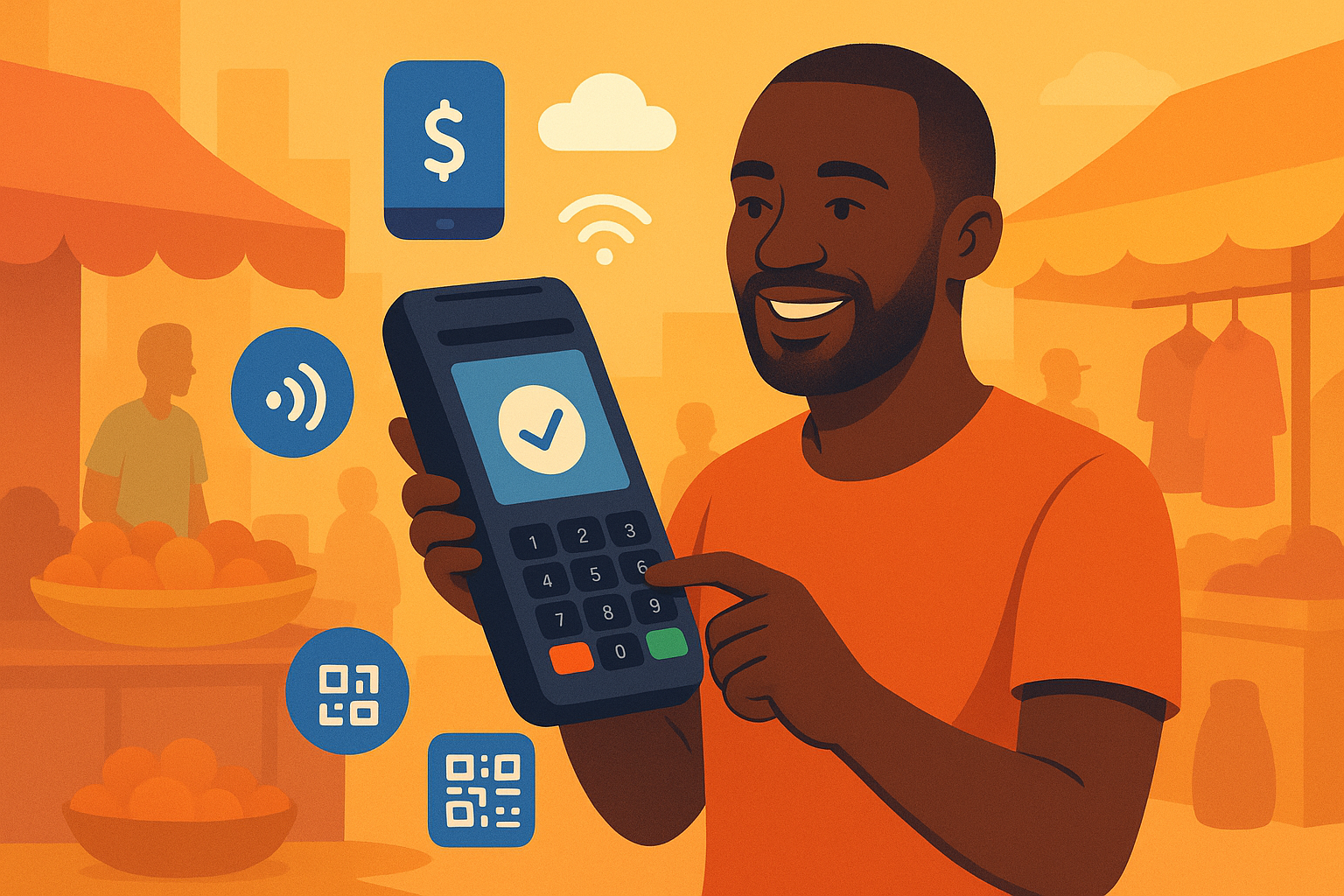
Financial inclusion in Africa has often been discussed through the lens of mobile money and digital wallets. And rightly so—mobile-driven innovation has transformed access to payments across the continent. But there is another critical piece of infrastructure that quietly underpins this transformation: Point-of-Sale (POS) terminals. POS terminals are more than checkout devices. In many African The Role of POS Terminals in Africa’s Financial Inclusion Journey

The Rise of Wallet-as-a-Service in Africa: What It Means for Startups and Banks

Digital wallets are no longer just consumer-facing apps. Across Africa, they are rapidly evolving into foundational financial infrastructure—embedded inside fintech platforms, marketplaces, banks, telcos, and SaaS products. This shift has given rise to a powerful new model: Wallet-as-a-Service (WaaS). Rather than building wallets from scratch, companies can now launch fully functional, compliant digital wallets through The Rise of Wallet-as-a-Service in Africa: What It Means for Startups and Banks