How to Launch a Payment Service Provider in Africa

Africa’s fintech ecosystem is one of the fastest-growing in the world. Over the past decade, digital payments have transformed how businesses and consumers move money across the continent. From mobile money in East Africa to POS (point of sale) agent networks in West Africa, financial technology is expanding financial access while creating new business opportunities.
For many entrepreneurs and fintech startups, launching a Payment Service Provider (PSP) has become an attractive opportunity. However, building a PSP in Africa is not simply about creating a payment app or integrating a few APIs. It requires a deep understanding of regulatory frameworks, payment infrastructure, settlement systems, and local market dynamics.
In this guide, we explore what it takes to launch a PSP in Africa and how infrastructure platforms like Unipesa can significantly accelerate the process.
Understanding the Role of a Payment Service Provider
A Payment Service Provider enables businesses to accept, process, and manage digital payments. PSPs act as intermediaries between merchants, banks, card networks, and payment methods.
Typical PSP capabilities include:
- Payment gateway services
- Merchant onboarding
- Transaction routing
- Settlement and reconciliation
- Fraud monitoring
- Compliance and KYC processes
In African markets, PSPs often go beyond traditional gateway services and provide additional capabilities such as:
- Mobile money integration
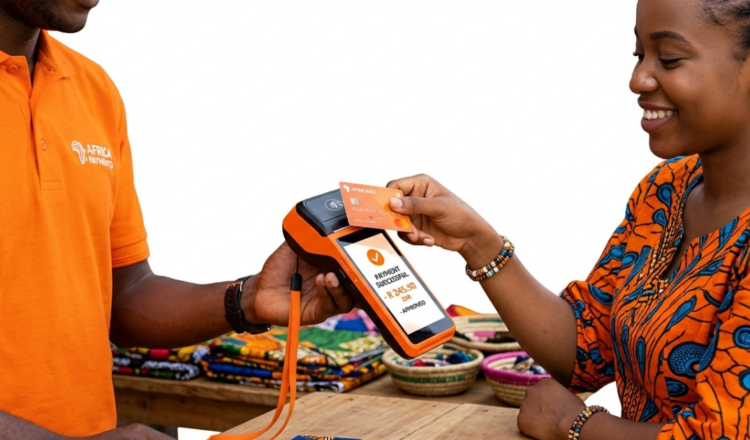
- POS terminal networks
- Wallet infrastructure
- Agent banking support
- Cross-border payment routing
Because of these additional layers, launching a PSP in Africa often requires a more complex operational setup than in many Western markets.
Step 1: Identify the Target Market
Africa is not a single payments market.
Each country has its own:
- regulatory environment
- payment infrastructure
- telecom ecosystem
- financial inclusion level
For example:
Nigeria has one of the largest fintech ecosystems in Africa, driven by strong mobile adoption and the Central Bank of Nigeria’s regulatory oversight.
Kenya is known for its mature mobile money ecosystem dominated by M-Pesa.
South Africa operates a more traditional banking infrastructure with strong card networks and regulatory compliance requirements.
For founders planning to launch a PSP, the first step is defining where to start.
Many companies begin with a single market and expand regionally once operational processes are stable.
Step 2: Understand Licensing Requirements
Regulation is one of the most critical elements of launching a PSP.
Most African countries require payment companies to obtain licenses from central banks or financial regulators.
Common license types include:
- Payment Service Provider license
- Payment Gateway license
- Electronic Money Institution license
- Switching and processing a license
These licenses typically require:
- capital requirements
- local company registration
- compliance officers
- AML and KYC frameworks
- reporting systems
Regulatory timelines can range from several months to over a year, depending on the country.
Because of this complexity, many fintech companies choose to partner with infrastructure providers that already operate under regulated frameworks, which can help streamline compliance processes and reduce the time to market for their services.
Step 3: Build the Payment Infrastructure
Launching a PSP requires a strong technical backbone.
The infrastructure must support multiple layers of payment processing, including:
- merchant onboarding
- payment method integration
- transaction routing
- settlement processes
- reconciliation systems
Key integrations typically include:
Card networks
Visa, Mastercard, and local card schemes
Mobile money operators
M-Pesa, Airtel Money, MTN MoMo
Banks and settlement accounts
POS device networks
Fraud detection systems
Building this infrastructure from scratch can take years.
This is why many fintech startups rely on fintech infrastructure platforms that provide ready-to-deploy payment technology.
Unipesa, for example, provides financial infrastructure as a service for African fintech companies — offering white-label payment technology, ready integrations, and scalable transaction infrastructure across multiple markets.
Step 4: Integrate Local Payment Methods
One of the biggest differences between African and Western payment ecosystems is the diversity of payment methods.
In Africa, merchants often need to support multiple channels simultaneously.
These may include:
Mobile money
Card payments
Bank transfers
Agent payments
Digital wallets
For example, in many African markets, mobile money accounts for a large share of digital transactions.
Ignoring mobile money integration can limit merchant adoption.
A successful PSP must therefore build a multi-channel payment stack that supports both digital and hybrid payment flows.
Step 5: Build Merchant Acquisition Strategy
Technology alone does not build a successful PSP.
Merchant acquisition is equally important.
PSPs must create strong onboarding systems that allow businesses to start accepting payments quickly.
Key elements include:
- fast merchant verification
- simple API integrations
- clear pricing models
- local customer support
Many successful PSPs focus on specific merchant segments such as:
- e-commerce platforms
- SMEs
- gig economy companies
- marketplaces
- POS retail networks
By focusing on specific verticals, payment companies can build tailored payment solutions that solve real merchant challenges.
Step 6: Implement Risk and Fraud Management
Fraud prevention is essential in digital payments.
African fintech ecosystems face unique risk patterns, including:
SIM swap fraud
identity theft
agent fraud
social engineering attacks
Strong PSPs implement security layers such as:
real-time transaction monitoring
multi-factor authentication
risk scoring systems
behavioral analytics
Infrastructure platforms often include these capabilities directly in their technology stack, reducing the burden on fintech founders.
Step 7: Enable Cross-Border Payments
Cross-border commerce is growing rapidly in Africa.
Businesses increasingly operate across multiple countries, creating demand for regional payment solutions.
However, cross-border payments introduce additional complexity, such as:
currency conversion
regulatory compliance
settlement coordination
anti-money laundering monitoring
PSPs that can support cross-border payment flows gain a significant competitive advantage.
Infrastructure platforms with multi-country coverage allow fintech companies to expand more efficiently without rebuilding payment rails in every market.
Step 8: Scale Operations
Scaling a PSP requires operational excellence.
As transaction volumes grow, companies must manage:
- settlement reconciliation
- liquidity management
- regulatory reporting
- infrastructure uptime
- customer support
Automation plays a critical role in maintaining operational efficiency.
Infrastructure platforms designed for high transaction volumes help PSPs scale without constantly rebuilding backend systems.
The Infrastructure Advantage
Launching a PSP in Africa is not just a technology challenge — it is an infrastructure challenge.
Fintech founders must navigate:
regulation
payment integrations
fraud management
settlement systems
cross-border compliance
Attempting to build all of this from scratch can significantly slow market entry.
Infrastructure providers like Unipesa help accelerate the process by providing:
white-label fintech infrastructure
ready payment integrations
scalable processing systems
multi-country operational capabilities
This allows fintech startups, banks, and payment companies to focus on growth, partnerships, and merchant acquisition rather than building every component of the payment stack internally.
The Future of PSPs in Africa
Africa’s digital payments market is expected to grow dramatically over the next decade.
Drivers include:
rapid smartphone adoption
growing e-commerce markets
expanding digital wallet usage
government initiatives supporting financial inclusion
As the ecosystem matures, infrastructure-driven fintech models will become increasingly important.
The companies that succeed will not simply offer payment apps.
They will build platforms capable of connecting multiple payment systems, financial services, and regional markets.
Final Thoughts
Launching a Payment Service Provider in Africa presents enormous opportunities for fintech entrepreneurs. But it also requires careful planning, regulatory awareness, and strong technical infrastructure.
Success depends on understanding local markets, integrating diverse payment methods, and building scalable financial systems.
By leveraging infrastructure platforms like Unipesa, fintech founders can dramatically reduce the complexity of launching payment services and focus on what matters most: delivering value to businesses and consumers across Africa.