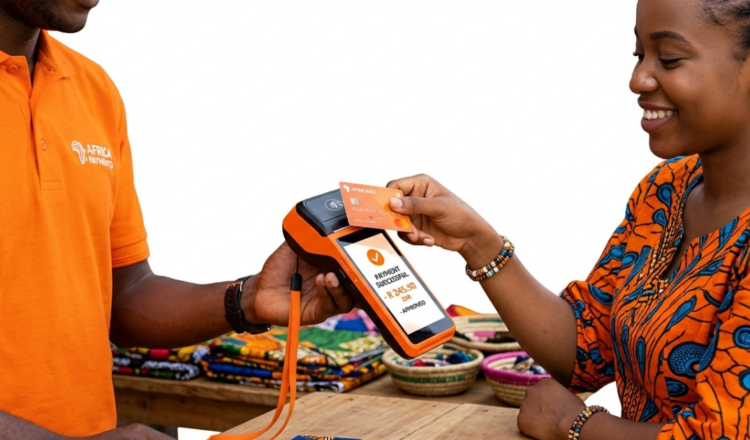
Why Fintech Startups Are Launching Wallet Platforms

Introduction: The Wallet Is Becoming the Center of Fintech
Over the past decade, fintech startups have launched a wide range of products:
- Payment gateways
- Lending platforms
- Remittance services
- Banking apps
But increasingly, many of these companies are converging on a single product:
The digital wallet
From early-stage startups to scaled fintech players, wallet platforms are becoming the core layer of financial interaction — not just a feature, but a strategy.
This shift is not accidental.
It reflects a deeper evolution in how financial services are built, delivered, and scaled — especially in emerging markets.
What Is a Wallet Platform Today?
A wallet is no longer just a place to store money.
Modern wallet platforms combine:
- Payment functionality
- Balance management
- Transaction history
- Financial services access
They act as:
a unified interface between users and the financial system
Users can:
- Send and receive money
- Pay merchants
- Store funds
- Access credit or savings products
In many cases, the wallet becomes the primary financial account.
The Strategic Shift: From Products to Platforms
Historically, fintech startups launched single-purpose products:
- Payments only
- Lending only
- Transfers only
This approach has limitations:
- fragmented user experience
- limited engagement
- low retention
Wallet platforms change this dynamic.
Instead of:
- one function
They offer:
- a financial ecosystem in one place
Key insight:
Wallets transform fintech from a feature → into a platform.
1. Direct Relationship with the User
One of the main reasons startups launch wallets is control over the user relationship.
Without a wallet:
- the user interacts occasionally
- the fintech sits in the background
With a wallet:
- the user interacts frequently
- the fintech becomes part of daily financial behavior
This leads to:
- higher engagement
- better retention
- stronger brand presence
2. Ownership of Transaction Flows
Wallets allow fintech companies to own the transaction layer.
Instead of:
- relying on third-party flows
They can:
- manage payments directly
- control how transactions are processed
- optimize user experience
Result:
Greater control over the entire financial journey.
3. Multi-Service Expansion
Wallet platforms make it easier to expand into new services.
From a wallet, startups can add:
- payments
- transfers
- lending
- savings
- insurance
This creates:
- cross-selling opportunities
- increased revenue per user
- deeper ecosystem engagement
4. Local Market Adaptation
In markets with fragmented financial systems, wallets provide flexibility.
They can integrate:
- multiple payment methods
- local financial services
- region-specific features
This allows startups to:
adapt to local realities while maintaining a unified product.
5. Financial Inclusion
Wallets play a critical role in expanding access to financial services.
They:
- reduce reliance on traditional banking
- simplify onboarding
- enable mobile-first access
Particularly in emerging markets:
Wallets often serve as:
the first entry point into the financial system
6. Data and Intelligence
Wallet platforms generate valuable data:
- transaction behavior
- spending patterns
- user preferences
This enables:
- better risk assessment
- personalized financial services
- improved decision-making
7. Monetization Opportunities
Wallets open multiple revenue streams:
- transaction fees
- FX margins
- value-added services
- partnerships
Compared to single-product fintechs:
Wallets offer:
more diversified and scalable monetization models
The Infrastructure Challenge Behind Wallets
While wallet platforms offer clear advantages, they are not easy to build.
Behind every wallet is a complex infrastructure:
- payment integrations
- settlement systems
- compliance frameworks
- security layers
Scaling a wallet across markets adds even more complexity.
Where Unipesa Fits
This is where infrastructure platforms like Unipesa become essential.
Instead of building everything from scratch, wallet providers can:
- connect to multiple payment rails through a single API
- support different payment methods
- operate across markets
- handle compliance requirements
This enables:
- faster development
- easier scaling
- reduced operational complexity
From Wallets to Financial Ecosystems
The most successful wallet platforms evolve into ecosystems.
They become:
- hubs for financial activity
- platforms for third-party services
- gateways to broader financial systems
The shift:
Wallet → Platform → Ecosystem
The Future of Wallet Platforms
Wallets will continue to evolve.
Future developments may include:
- AI-driven financial management
- automated transactions
- deeper integration with infrastructure
- cross-market operability
The key trend:
Wallets will become:
intelligent financial interfaces
Conclusion: Why Wallets Matter
Fintech startups are launching wallet platforms because they:
- centralize financial interactions
- improve user engagement
- enable service expansion
- create scalable business models
But building and scaling wallets requires more than a frontend.
It requires:
- strong infrastructure
- reliable integrations
- scalable systems
Platforms like Unipesa provide the foundation for this.