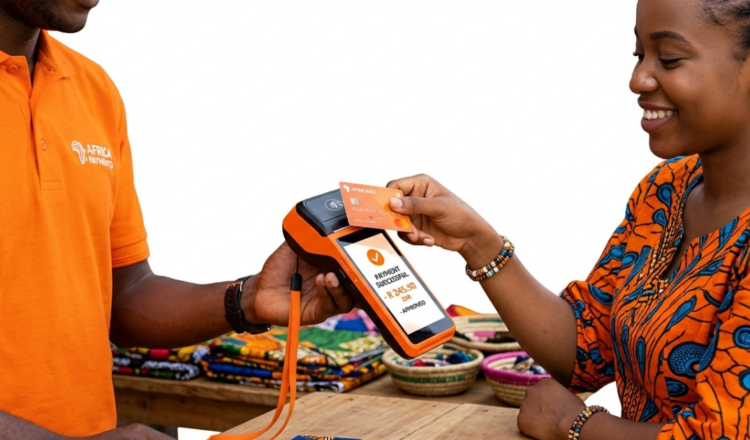
Case Study: How Top African Fintechs Built Ecosystems, Not Apps

Over the past decade, Africa has emerged as one of the most dynamic fintech markets in the world. Across the continent, digital payment platforms, mobile money services, and financial technology startups have transformed how individuals and businesses access financial services.
However, the most successful African fintech companies did not simply build apps.
They built ecosystems.
While many fintech startups initially focus on launching a single product — such as a payment app or digital wallet — the companies that achieve long-term growth typically evolve into platforms that integrate multiple financial services.
This ecosystem-driven approach has become a defining characteristic of Africa’s most influential fintech companies.
The Difference Between an App and an Ecosystem
A fintech app typically solves a single problem.
Examples include:
- sending money
- accepting payments
- managing a digital wallet
- offering short-term loans
These products can gain early traction quickly, especially if they offer a superior user experience.
However, standalone apps often face limitations when trying to scale.
In contrast, a fintech ecosystem connects multiple financial services within a single infrastructure.
These ecosystems often combine:
- payments
- digital wallets
- lending products
- merchant tools
- agent networks
Rather than focusing on one feature, ecosystem-driven fintech platforms create a network effect where each service strengthens the others.
Case Study: Mobile Money Ecosystems
One of the most influential fintech ecosystems in Africa is mobile money.
Platforms such as M-Pesa in Kenya demonstrated that digital financial services could scale rapidly when supported by a strong ecosystem.
Instead of offering only peer-to-peer transfers, mobile money platforms expanded into additional services, including
- merchant payments
- bill payments
- agent banking
- international remittances
- micro-loans
This ecosystem approach allowed mobile money providers to become central financial hubs for millions of users.
Today, mobile money accounts are used not only for sending money but also for paying utilities, purchasing goods, and accessing financial services.
Case Study: Payment Platforms Expanding into Financial Services
Many African fintech startups began as payment companies but later expanded their product offerings.
Payment platforms naturally sit at the center of financial transactions, giving them access to valuable data about user behavior and merchant activity.
By leveraging this data, fintech companies can introduce additional services such as:
- merchant financing
- inventory credit
- payroll services
- digital wallets
- cross-border payments
This transformation turns a simple payment gateway into a full financial ecosystem capable of supporting both consumers and businesses.
Why Ecosystems Win in Emerging Markets
The ecosystem model is particularly effective in emerging markets for several reasons.
First, many customers lack access to traditional banking services. This creates demand for integrated financial platforms that offer multiple services in one place.
Second, merchants often prefer platforms that simplify financial operations rather than requiring them to manage several disconnected systems.
For example, a retailer may benefit from a platform that provides:
- payment acceptance
- business loans
- digital wallet services
- POS terminals
- supplier payments
Combining these capabilities into a single ecosystem reduces operational complexity and improves efficiency.
Infrastructure Is the Foundation of Ecosystems
While ecosystem-driven fintech platforms appear seamless to users, their success depends on strong infrastructure.
Behind every integrated fintech ecosystem lies a network of systems responsible for:
- payment processing
- wallet management
- transaction monitoring
- compliance and KYC
- data analytics
Without scalable infrastructure, it becomes difficult to support multiple financial services within a single platform.
This is why infrastructure providers are becoming increasingly important in the fintech ecosystem.
The Rise of Fintech Infrastructure Platforms
Globally, fintech innovation is shifting toward infrastructure-driven models.
Instead of building every component of financial services from scratch, fintech startups increasingly rely on infrastructure platforms that provide ready-to-use financial technology.
These platforms may include:
- payment processing engines
- digital wallet infrastructure
- POS management systems
- lending platforms
- communication orchestration tools
By using infrastructure platforms, fintech companies can launch new services faster and focus on customer experience rather than backend development.
Ecosystem Expansion Through APIs
One of the key drivers of fintech ecosystems is API-based integration.
Modern fintech platforms rely heavily on APIs to connect multiple services and partners.
APIs allow fintech companies to:
- integrate payment systems
- connect with banking infrastructure
- enable third-party services
- expand into new markets
Through API-driven ecosystems, fintech platforms can grow rapidly without rebuilding infrastructure for every new service.
Cross-Border Ecosystems
Another emerging trend in African fintech ecosystems is cross-border expansion.
Businesses increasingly operate across multiple African markets, creating demand for regional payment solutions.
Fintech ecosystems that support cross-border payments enable businesses to:
- accept payments from multiple countries
- manage multi-currency transactions
- expand into new markets more easily
Infrastructure platforms that operate across multiple African jurisdictions are particularly valuable for enabling these cross-border ecosystems.
The Role of Infrastructure Providers
As fintech ecosystems become more complex, infrastructure providers play a critical role in supporting their growth.
Infrastructure platforms provide the underlying systems that enable fintech companies to launch and scale financial services.
Companies such as Unipesa provide financial infrastructure designed to support:
- payment processing
- wallet platforms
- POS networks
- digital lending solutions
By offering ready integrations and scalable technology, infrastructure platforms allow fintech companies to focus on building products and ecosystems rather than managing complex financial systems.
The Future of African Fintech Ecosystems
Africa’s fintech ecosystem is still evolving.
In the coming years, fintech platforms are likely to expand further into areas such as:
- embedded finance
- digital identity systems
- SME financing
- regional payment networks
The companies that succeed will be those that build platform ecosystems, not isolated applications.
By integrating multiple financial services into a unified infrastructure, fintech platforms can deliver greater value to users while creating powerful network effects.
Final Thoughts
The most successful African fintech companies did not win by building better apps.
They won by building ecosystems.
By connecting payments, wallets, lending services, and merchant tools within a single platform, these companies created financial networks capable of serving millions of users.
For fintech founders and investors, the lesson is clear.
The future of fintech lies not in standalone products, but in infrastructure-powered ecosystems that bring multiple financial services together.
As the African fintech landscape continues to grow, infrastructure platforms will play a crucial role in enabling the next generation of financial ecosystems.