Unipesa and the Future of Frictionless Payments in Emerging Markets

Emerging markets, especially across Africa, are undergoing one of the greatest financial transformations of the 21st century. With mobile penetration skyrocketing, digital commerce expanding, and consumer expectations rising, businesses now need payment systems that are not only reliable but genuinely frictionless.
Yet despite the momentum, many merchants and fintechs still struggle with failed transactions, fragmented payment rails, inconsistent settlement times, and onboarding processes that take weeks instead of minutes. These challenges slow economic growth, frustrate consumers, and prevent small businesses from scaling.
This is where Unipesa is changing the game.
Combining a unified payment infrastructure with API-driven tools, Unipesa is helping emerging markets leap forward into an era where financial interactions are instant, seamless, and borderless. This article explores how frictionless payments are reshaping emerging markets—and why Unipesa is rapidly becoming the infrastructure powering this shift.
1. What “Frictionless Payments” Really Mean in Emerging Markets
While “frictionless payments” has become a global buzzword, its meaning in emerging economies goes deeper. In these markets, payment friction includes:
- Transactions failing due to network instability
- Settlement delays lasting hours or days
- Complicated onboarding and verification processes
- Limited payment methods for customers
- Manual reconciliation and high operational overhead
- Fragmented mobile money and banking ecosystems
- High cash dependency
- Limited cross-border interoperability
Friction is costly—economically and emotionally. A failed payment at checkout can result in a lost customer. A delayed settlement can mean a small business can’t buy inventory. A broken payment flow can stop an entire revenue stream.
For fast-growing markets like Nigeria, Kenya, Ghana, Zambia, and Rwanda, removing this friction isn’t a luxury—it’s a necessity for the next decade of economic growth.
2. Why the Future of Payments in Emerging Markets Must Be Seamless
Three major forces are driving the demand for frictionless payments:
2.1 Mobile-first Consumers Expect Instant Experiences
Consumers across Africa and other emerging regions increasingly manage life from their phones—shopping, paying bills, sending money, booking transport, and more. Any delay or failure is now unacceptable.
2.2 Businesses Need Faster Cash Flow
SMEs make up over 90% of businesses in Africa. Delayed settlements, reconciliation gaps, and failed transactions can interrupt operations and strain liquidity. Payment friction kills growth.
2.3 Fintechs Are Scaling Faster Than Legacy Systems
Millions of users in weeks. Tens of thousands of merchants in months. Fintech scaling speed is unprecedented—but many still rely on outdated infrastructure that can’t keep up.
The next generation of market leaders will be those who offer smooth, instant, accessible financial interactions—no matter the rail, currency, or country.
3. The Unipesa Advantage: A Single Infrastructure for All Payments
Unipesa removes friction by providing a unified platform that connects all major payment methods into one API-powered ecosystem:
- Wallet-to-wallet
- Mobile money
- Bank transfers
- Cards
- POS payments
- Payouts and disbursements
- Merchant collections
- Cross-border transactions
Instead of building on fragmented systems, fintechs and businesses plug into one infrastructure layer that handles authentication, routing, settlement, and reconciliation behind the scenes.
3.1 Unified APIs
Whether you’re a startup building a wallet app, a retailer accepting payments in-store, or a marketplace managing payouts, Unipesa’s unified APIs allow you to:
- Accept payments instantly
- Send payouts to any rail
- Integrate POS and online systems
- Handle cross-border flows
- Sync data in real time
This reduces development complexity and shortens time-to-market dramatically.
3.2 Built-in Compliance & Security
Emerging markets have fast-evolving regulatory landscapes. Unipesa builds compliance into the infrastructure, AML, monitoring, and reporting, so companies can grow without adding risk.
3.3 Real-time Settlements
Where legacy systems settle at end of day or T+1, Unipesa supports near-instant settlements, giving SMEs liquidity when they need it most.
3.4 Resilient Infrastructure
Unipesa’s platform is designed for:
- High-volume traffic
- Uptime beyond 99.9%
- Automated failover
- Active monitoring
- Secure data architecture
Friction is eliminated at the root—not patched on top.
4. How Unipesa Enables Frictionless Payments for Key Market Players
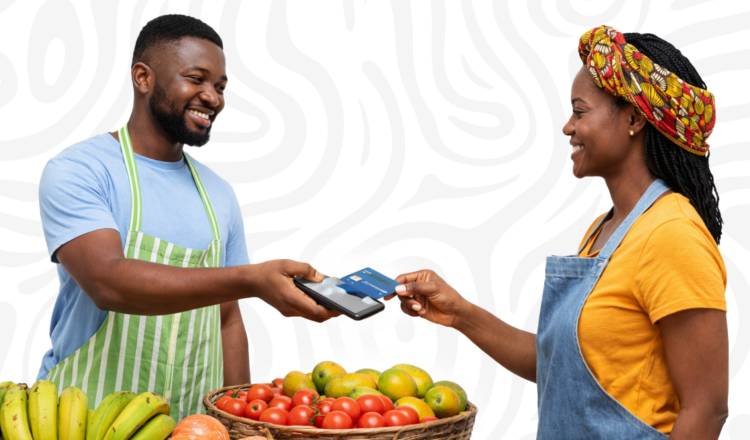
4.1 For Merchants
Merchants gain:
- Faster payments
- Support for all customer preferences
- Quick onboarding
- Real-time settlements
- A unified POS and online dashboard
- Automatic reconciliation
This gives small businesses the tools normally available only to large enterprises.
4.2 For Fintechs and Startups
Instead of building their own payment rails, fintechs can ship products in days, not months. They can offer wallet services, merchant payments, payouts, lending, savings, or loyalty programs—all anchored to Unipesa infrastructure.
4.3 For E-commerce Platforms
Frictionless payments mean:
- Higher checkout conversions
- Fewer abandoned carts
- Instant refunds or payouts
- Better user trust
Platforms scaling across countries can unify their payment stack instead of building separate solutions for each market.
4.4 For Banks and Financial Institutions
Unipesa enables digitization without the heavy lifting of building new rails. Banks can extend services to merchants, developers, and fintech ecosystems effortlessly.
5. Why Emerging Markets Need “Invisible Finance.”
The future of payments in emerging markets is invisible—meaning financial actions happen in the background, as seamlessly as possible.
Consumers won’t care which rail was used.
Businesses won’t worry about settlement routes.
Fintechs won’t manage fragmented integrations.
Everything will just… work.
Unipesa is enabling this by turning complex financial processes into simple API calls.
6. Cross-Border Frictionless Payments: The Next Frontier
For many African businesses, the biggest friction occurs between countries, not within them. Cross-border challenges include:
- Currency conversions
- Regulators that don’t coordinate
- Slow and expensive settlement networks
- Fragmented fintech regulations
- High failure rates
- Limited visibility
Unipesa’s infrastructure is designed to enable multi-currency, multi-market, and multi-rail transactions under one unified system. That positions emerging markets for participation in global trade, from SMEs exporting goods to freelancers receiving payments.
7. The Future: Embedded, Instant, Everywhere
The next wave of fintech innovation in emerging markets will include:
7.1 Embedded Finance
Every app that moves money will integrate payments, lending, and wallets directly into their flow.
7.2 Invisible Authentication
No more OTP timeouts. No more broken flows. Seamless, biometric, device-based authentication.
7.3 Real-time Everything
Settlements
Reconciliation
Transfers
Refunds
Reporting
7.4 Infrastructure-as-a-Platform
Fintechs will compete on customer experience—not rails or hardware.
Unipesa is already building the foundation for this future.
8. Conclusion: The Rails of Emerging Market Commerce
Frictionless payments will define the next decade of economic growth in emerging markets.
For consumers, frictionless payments mean trust, convenience, and financial inclusion.
For businesses, they mean cash flow, growth, and operational efficiency.
For fintechs, they mean speed, scalability, and resilience.
Unipesa provides the infrastructure that makes this possible.
As emerging economies move to the forefront of global digital innovation, frictionless payments are no longer optional—they are the backbone of commerce. And Unipesa is powering the rails that will carry millions of businesses and consumers into the future.