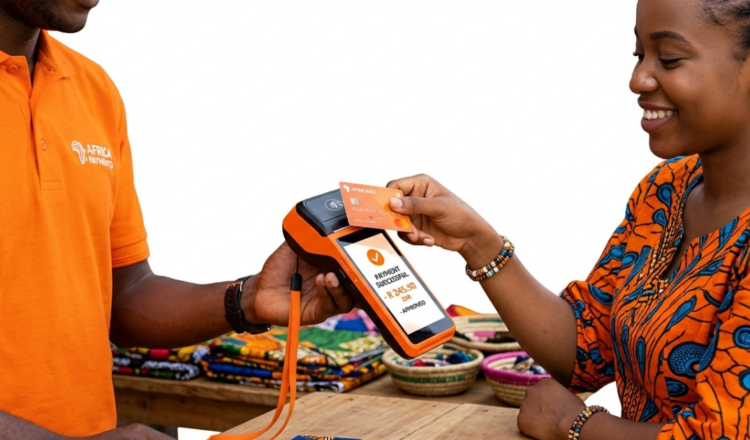
The Role of Fintech Platforms in Enabling a Cashless Africa
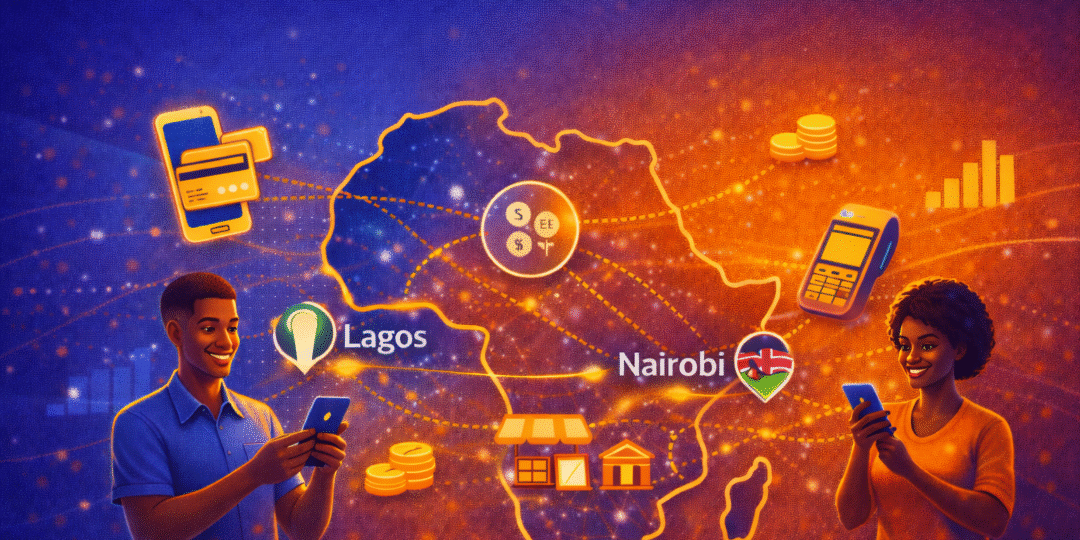
The vision of a cashless Africa has been discussed for more than a decade. Mobile money adoption, digital wallets, QR payments, and POS terminals have all contributed to reducing cash dependency across the continent. In many urban centers, digital payments are now part of everyday life.
Yet Africa is not becoming cashless simply because people are switching from banknotes to apps.
The real shift toward a cashless economy is being driven by something deeper: fintech platforms that provide shared financial infrastructure. These platforms do not just digitize payments—they enable entire ecosystems where money moves seamlessly between consumers, businesses, governments, and platforms.
In this context, going cashless is not a product story.
It is an infrastructure story.
Why Cash Persists—and Why That Matters
Despite rapid fintech growth, cash remains dominant in many African economies. This persistence is not cultural resistance; it is structural.
Cash thrives where:
- Digital acceptance is fragmented
- Settlement is slow or unpredictable
- Merchants lack affordable tools
- Trust in financial institutions is uneven
- Cross-border payments are complex
Replacing cash requires more than consumer apps. It requires reliable, interoperable systems that work for merchants, platforms, regulators, and users simultaneously.
This is where fintech platforms—not standalone payment products—play a decisive role.
Cashless Economies Are Built on Platforms, Not Apps
Early fintech innovation focused on apps:
- mobile wallets for consumers
- POS devices for merchants
- payment gateways for online checkout
These tools solved important problems—but in isolation.
A truly cashless economy requires:
- interoperability across payment methods
- unified settlement and reconciliation
- embedded compliance
- scalable merchant onboarding
- programmable financial flows
Fintech platforms provide this foundation by connecting wallets, payments, POS, payouts, and APIs into a single operating layer.
Unipesa is an example of this platform approach—designed to power cashless transactions across multiple use cases rather than replacing cash with a single app.
Merchant Acceptance Is the Real Cashless Battleground
Consumers will only abandon cash if merchants accept digital payments reliably.
For merchants, cashless adoption depends on:
- low transaction costs
- predictable settlements
- minimal hardware dependency
- visibility into cash flow
- access to additional financial services
Fintech platforms enable this by offering:
- unified merchant wallets
- multi-rail payment acceptance
- software-based POS options
- automated payouts and reconciliation
When merchants trust digital systems to manage their money, cash naturally becomes less relevant.
Wallets as the Core of Cashless Infrastructure
In a cashless Africa, wallets are not just consumer tools. They are financial operating systems.
Modern wallets enable:
- storing and moving value
- receiving payments
- paying suppliers and employees
- accessing credit
- managing liquidity
Platform-based wallets are especially powerful because they support both individuals and businesses within the same ecosystem.
Unipesa’s wallet infrastructure is built to serve this role—supporting merchant wallets, platform wallets, and payout flows that replace cash handling with digital control.
Interoperability: The Key to Reducing Cash Dependency
One of the biggest reasons cash persists is lack of interoperability.
When:
- wallets don’t talk to each other
- mobile money doesn’t integrate with cards
- bank transfers are unreliable
Cash becomes the default “universal connector.”
Fintech platforms solve this by abstracting complexity:
- integrating multiple payment rails
- standardizing settlement logic
- providing a unified interface for developers and merchants
Interoperability turns fragmented digital tools into a cash-alternative system that actually works.
POS Without Hardware Lock-In
Hardware-heavy POS models have played an important role in digitizing retail—but they also slow adoption:
- high upfront costs
- logistics and maintenance issues
- limited flexibility
Platform-based POS strategies prioritize:
- software-driven acceptance
- device-agnostic models
- integration with wallets and payouts
This approach lowers barriers for small merchants and accelerates cashless adoption—especially in informal and semi-formal economies.
Cashless Requires Trust—and Trust Requires Infrastructure
Cash is trusted because it is simple and final.
Digital payments must earn trust through:
- reliability
- transparency
- dispute resolution
- regulatory compliance
Fintech platforms build trust by embedding:
- identity verification
- transaction monitoring
- auditability
- consumer protection logic
Instead of pushing risk onto users or merchants, platforms centralize and manage it—making cashless systems safer than cash over time.
Government and Public-Sector Payments
A cashless Africa is not only a private-sector initiative.
Governments play a critical role through:
- tax collection
- social benefit distribution
- public service payments
Fintech platforms enable governments to:
- digitize disbursements
- reduce leakage and fraud
- improve transparency
- reach underbanked populations
When public payments move onto digital rails, cash usage declines across the broader economy.
Cashless Economies Need Embedded Finance
Digital payments alone do not eliminate cash. Financial utility does.
Merchants and consumers are more likely to stay cashless when digital systems offer:
- instant access to funds
- short-term credit
- savings and float management
- predictable settlement
Embedded finance—lending, payouts, and value-added services integrated into payment flows—makes digital money more useful than cash.
Platforms like Unipesa enable this by allowing financial services to be layered directly onto wallets and transaction data.
Cross-Border Payments and the Cashless Future
Cash is often used for cross-border trade because digital alternatives are complex, slow, or expensive.
Pan-African fintech platforms address this by:
- supporting multi-currency wallets
- enabling regional settlement
- standardizing cross-border compliance
- reducing FX friction
As cross-border payments become easier, cash loses one of its last strongholds—informal regional trade.
Data as the Engine of a Cashless Economy
Cash leaves no data trail.
Digital payments generate insight:
- transaction patterns
- merchant performance
- consumer behavior
- risk signals
This data enables:
- better credit models
- smarter regulation
- improved financial products
Fintech platforms centralize this data, turning cashless activity into economic intelligence that benefits the entire ecosystem.
Why Platforms Matter More Than Ever
The transition to a cashless Africa is not about eliminating cash overnight. It is about building systems so effective that cash becomes unnecessary.
That requires platforms that:
- scale across markets
- support diverse use cases
- embed compliance
- enable innovation
- reduce fragmentation
Unipesa’s role in this ecosystem is not to replace cash directly, but to power the infrastructure that makes cashless systems viable at scale.
Challenges Ahead—and Why Platforms Are the Answer
Cashless transformation still faces challenges:
- rural connectivity
- digital literacy
- regulatory alignment
- affordability
Platforms are best positioned to address these challenges because they:
- spread costs across ecosystems
- standardize best practices
- enable public-private collaboration
- evolve with regulation
Fragmented solutions cannot solve systemic problems. Platforms can.
Conclusion: Cashless Is an Infrastructure Outcome
A cashless Africa will not be achieved through marketing campaigns or isolated apps.
It will emerge as a byproduct of strong financial infrastructure:
- where payments are reliable,
- settlements are predictable,
- wallets are useful,
- merchants are empowered,
- and trust is built into the system.
Fintech platforms are the quiet force behind this transformation.
As Africa’s digital economy grows, platforms like Unipesa will continue to play a foundational role—connecting payments, wallets, merchants, and systems into an ecosystem where cash is no longer essential.
Cashless Africa is not a destination.
It is an infrastructure outcome.