The Rise of Wallet-as-a-Service in Africa: What It Means for Startups and Banks

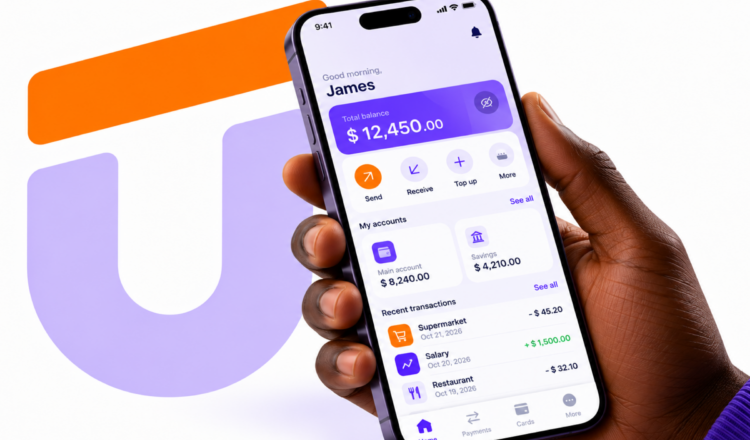
Digital wallets are no longer just consumer-facing apps. Across Africa, they are rapidly evolving into foundational financial infrastructure—embedded inside fintech platforms, marketplaces, banks, telcos, and SaaS products.
This shift has given rise to a powerful new model: Wallet-as-a-Service (WaaS).
Rather than building wallets from scratch, companies can now launch fully functional, compliant digital wallets through APIs—integrating payments, balances, payouts, and financial services directly into their products.
For African fintech, this is a turning point.
Wallet-as-a-Service is changing how startups scale, how banks modernize, and how digital financial ecosystems are built across the continent.
What Is Wallet-as-a-Service (WaaS)?
Wallet-as-a-Service is an infrastructure model where a platform provides programmable digital wallets as a backend service.
Instead of building and maintaining:
- wallet ledgers
- settlement logic
- compliance systems
- reconciliation flows
Companies access wallets through APIs that support:
- storing value
- receiving and sending funds
- integrating payments
- enabling payouts
- layering financial services (credit, FX, subscriptions)
In short: wallets become infrastructure, not products.
Why Wallets Matter So Much in Africa
Africa’s financial landscape makes wallets uniquely powerful.
Across many markets:
- cash is still dominant
- banking penetration is uneven
- mobile money is widespread
- cross-border trade is common
- informal and semi-formal businesses are the norm
Wallets solve problems that traditional accounts do not:
- they are easier to onboard
- they are mobile-first
- they work across rails
- they create transaction histories
- they act as operating accounts
This is why wallets have become the center of gravity for African fintech.
From Consumer Wallets to Platform Wallets
The first wave of African wallets focused on consumers:
- peer-to-peer transfers
- bill payments
- airtime and utilities
The second wave focused on merchants:
- collecting payments
- settling funds
- managing cash flow
The current wave—Wallet-as-a-Service—goes further.
It enables:
- marketplace wallets
- gig-economy wallets
- merchant operating wallets
- platform escrow wallets
- multi-currency wallets
Wallets are no longer endpoints.
They are building blocks.
Why Startups Are Adopting Wallet-as-a-Service
For startups, WaaS removes one of the biggest barriers to scale: financial infrastructure complexity.
1. Faster Time to Market
Building a wallet system from scratch can take:
- months of engineering
- complex compliance work
- significant capital
WaaS allows startups to:
- launch wallets quickly
- focus on core product differentiation
- iterate faster
This speed advantage is critical in competitive African markets.
2. Lower Regulatory Burden
Wallets touch regulated activities:
- holding customer funds
- processing payments
- KYC and AML compliance
WaaS providers embed compliance into the infrastructure, allowing startups to:
- operate on compliant rails
- avoid licensing complexity early
- reduce regulatory risk
This is especially important for early-stage fintechs and non-financial startups embedding payments.
3. Better Unit Economics
Wallet-based flows are often cheaper and more controllable than:
- direct bank transfers
- fragmented payment gateways
Startups using WaaS gain:
- predictable settlement
- lower operational costs
- centralized reconciliation
This improves margins—especially at scale.
4. Embedded Finance Becomes Possible
Once a wallet exists, additional services can be layered:
- instant payouts
- working capital loans
- FX and cross-border transfers
- subscriptions and escrow
WaaS turns startups into financial platforms, not just apps.
Why Banks Are Turning to Wallet-as-a-Service
Banks across Africa face a different—but equally urgent—challenge.
They are trusted institutions, but:
- legacy systems are slow
- innovation cycles are long
- customer expectations have changed
WaaS offers banks a way to modernize without replacing core systems.
1. Extending Reach Beyond Traditional Accounts
Many Africans still struggle with:
- account onboarding
- minimum balance requirements
- branch-based processes
Wallets provide banks with:
- lightweight digital accounts
- mobile-first engagement
- access to underbanked segments
Banks can reach new users without changing their core banking stack.
2. Partnering with Fintechs Instead of Competing
Rather than building everything in-house, banks can:
- expose wallet infrastructure
- partner with fintech platforms
- enable embedded banking
This shifts banks from product providers to platform enablers.
3. Faster Innovation Cycles
WaaS allows banks to:
- launch new digital products quickly
- test new use cases with partners
- respond to market changes
Innovation becomes modular instead of monolithic.
Wallet-as-a-Service and Cross-Border Finance
One of the biggest advantages of WaaS in Africa is its role in cross-border payments.
Wallets can:
- hold multiple currencies
- act as regional settlement layers
- simplify FX flows
- reduce dependency on correspondent banking
For startups and banks alike, this enables:
- regional expansion
- pan-African platforms
- smoother trade and payouts
WaaS makes cross-border finance operationally manageable, not just theoretically possible.
Infrastructure Is the Real Differentiator
Not all Wallet-as-a-Service platforms are equal.
The strongest WaaS providers offer:
- robust ledger systems
- real-time transaction processing
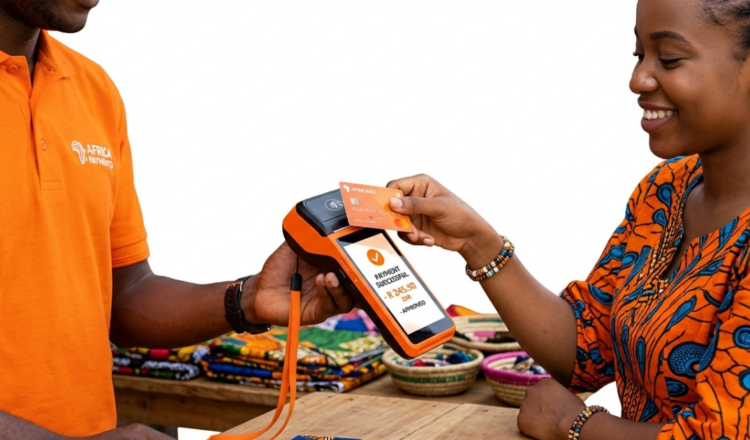
- tight integration with payments and POS
- embedded compliance and reporting
- scalability across markets
Infrastructure-first platforms like Unipesa are designed around this principle—providing wallets not as isolated features, but as part of a broader payments and financial ecosystem.
Risks and Responsibilities
WaaS also introduces responsibility.
Wallet providers and users must manage:
- safeguarding of funds
- clear governance models
- transparency for end users
- consumer protection
As regulators across Africa focus more on digital finance, WaaS platforms must balance innovation with trust.
The platforms that succeed will be those that treat compliance as infrastructure, not an afterthought.
What Wallet-as-a-Service Changes Long-Term
The rise of WaaS signals a deeper shift in African fintech:
- From apps → platforms
- From isolated products → ecosystems
- From bank-centric → network-centric finance
Wallets become the connective tissue between:
- payments
- lending
- commerce
- public services
- cross-border trade
This unlocks scale that was previously impossible.
Who Wins in a WaaS-Driven Future
Startups
- Launch faster
- Scale more efficiently
- Embed finance into any product
Banks
- Modernize without disruption
- Expand reach
- Monetize infrastructure
Merchants & Consumers
- Gain reliable digital money tools
- Reduce cash dependence
- Access broader financial services
Conclusion: Wallets Are Becoming the Operating Layer of African Finance
Wallet-as-a-Service is not a trend—it is an architectural shift.
In Africa’s diverse and fast-moving financial landscape, wallets provide the flexibility, reach, and programmability that traditional systems cannot.
For startups, WaaS lowers barriers and accelerates innovation.
For banks, it offers a path to relevance and partnership.
For the ecosystem, it creates the foundation for a more inclusive, cash-light economy.
Platforms like Unipesa are not just enabling wallets.
They are enabling financial ecosystems.
And as African fintech continues to mature, Wallet-as-a-Service will be one of the core layers everything else is built on.