
Why POS Is Becoming the Operating System for Retail
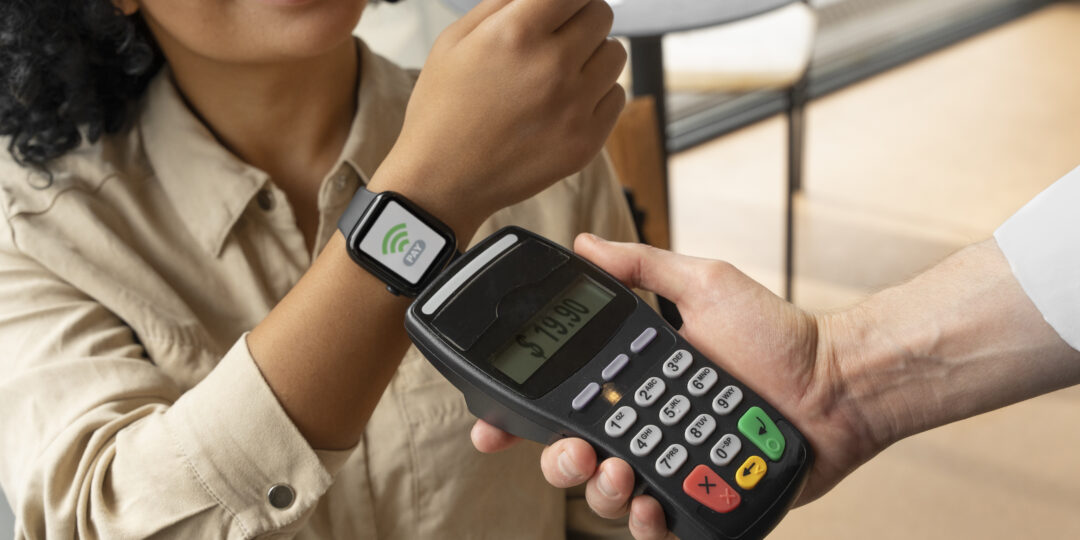
How modern POS platforms are evolving from payment terminals into the digital backbone of retail businesses.
Introduction: The Checkout Is No Longer the End of the Customer Journey
For decades, the point-of-sale (POS) terminal had one primary purpose: process a payment.
A customer selected products, approached the checkout, paid, received a receipt, and left the store. The POS existed solely to complete the transaction.
Today, that role has fundamentally changed.
Retail is becoming increasingly digital, omnichannel, and data-driven. Consumers expect frictionless payments, personalized experiences, loyalty rewards, multiple payment options, and fast service—whether they’re shopping in-store, online, or through social commerce.
Meanwhile, retailers are under pressure to manage inventory more efficiently, reduce operational costs, improve customer retention, and make faster business decisions.
Meeting these expectations requires much more than a payment terminal.
Modern POS platforms are evolving into the operational center of retail businesses—connecting payments, inventory, customer engagement, analytics, and financial services through one integrated system.
In other words:
The POS is becoming the operating system for retail.
Retail Has Become More Complex
Today’s retailers operate in an environment that looks very different from just five years ago.
A typical business may sell through:
- Physical stores
- E-commerce websites
- Mobile applications
- Social media
- Delivery partners
- Marketplace platforms
Customers expect to move seamlessly between these channels.
A product purchased online may be returned in-store.
A customer may browse on a mobile device but complete the purchase in person.
Inventory must remain synchronized across every sales channel.
Without connected technology, managing these operations quickly becomes overwhelming.
Why Traditional POS Systems No Longer Meet Retail Needs
Conventional POS systems were designed primarily for transaction processing.
Their core functions included:
- Accepting payments
- Printing receipts
- Recording sales
While these capabilities remain essential, modern retailers require significantly more.
Disconnected systems often mean:
- Inventory is updated manually
- Customer data is stored separately
- Sales reports require reconciliation
- Financial reporting is delayed
- Loyalty programs operate independently
As businesses grow, these disconnected workflows create operational bottlenecks.
The modern retail environment requires systems that communicate automatically.
The POS Is Becoming the Central Business Platform
Rather than acting as a standalone payment terminal, today’s POS platforms are becoming the central hub connecting every major retail operation.
Modern POS systems increasingly manage:
- Payment processing
- Inventory management
- Customer profiles
- Loyalty programs
- Promotions
- Employee management
- Business reporting
- Financial services
Instead of ending the customer journey, the checkout now becomes the place where valuable business intelligence begins.
Payments Are Only One Part of the Experience
Consumers increasingly expect flexibility when paying.
Depending on the market, they may choose:
- Mobile wallets
- Bank transfers
- QR payments
- Contactless cards
- Account-to-account payments
Retailers cannot afford to support only one or two payment methods.
Modern POS platforms unify these options into a single experience.
The customer simply chooses how to pay.
The retailer manages everything through one connected system.
The result:
Payment acceptance becomes simpler despite growing payment complexity.
Inventory Management Happens Automatically
Inventory accuracy directly affects profitability.
Without real-time synchronization, retailers risk:
- Overselling products
- Running out of stock unexpectedly
- Ordering unnecessary inventory
- Losing sales opportunities
Modern POS platforms automatically update inventory the moment a transaction is completed.
Managers gain immediate visibility into:
- Available stock
- Fast-moving products
- Seasonal demand
- Product performance
This enables smarter purchasing decisions while reducing waste and carrying costs.
Customer Relationships Begin at Checkout
Every transaction generates valuable customer insights.
Modern POS platforms capture information such as:
- Purchase history
- Preferred payment methods
- Visit frequency
- Average basket size
- Product preferences
Rather than storing this information separately, retailers can use it to personalize future interactions.
Examples include:
- Targeted promotions
- Loyalty rewards
- Personalized recommendations
- VIP customer programs
The checkout is no longer simply where sales are completed.
It is where long-term customer relationships begin.
Real-Time Analytics Improve Decision-Making
Historically, retailers reviewed sales reports after the business day ended.
Modern POS platforms generate insights continuously.
Business owners can monitor:
- Sales performance
- Revenue trends
- Peak shopping hours
- Product profitability
- Store performance
- Payment preferences
Real-time visibility enables faster decisions instead of relying on historical reports.
Key insight:
Better decisions start with better operational data.
POS Systems Connect Physical and Digital Commerce
Retail is no longer divided between online and offline channels.
Customers expect one seamless experience.
Modern POS platforms synchronize:
- In-store sales
- Online orders
- Inventory
- Customer accounts
- Loyalty balances
Whether customers shop through a website or visit a physical location, the retailer operates from one unified system.
Embedded Finance Is Coming to the Checkout
Retailers increasingly expect their POS platform to do more than process payments.
Modern systems are beginning to support:
- Merchant wallets
- Installment payments
- Business financing
- Working capital offers
- Gift cards
- Cashback programs
- Digital vouchers
This evolution transforms the checkout into a gateway for financial services.
Instead of simply accepting money, POS platforms help businesses access and deliver additional financial products.
APIs Make Modern POS Platforms Flexible
Traditional POS systems were largely closed environments.
Adding new functionality often required expensive upgrades or replacing hardware entirely.
Today’s POS platforms are increasingly API-driven.
This allows retailers to integrate with:
- Accounting software
- Inventory systems
- ERP platforms
- CRM tools
- E-commerce platforms
- Marketing solutions
Rather than replacing existing technology, retailers can build connected ecosystems around their POS.
This creates:
- Faster innovation
- Lower operational costs
- Greater flexibility
- Easier scalability
Payment Infrastructure Is the Foundation
Behind every successful POS platform sits payment infrastructure.
Infrastructure determines:
- Transaction reliability
- Settlement speed
- Payment routing
- Provider connectivity
- Operational resilience
Without robust infrastructure, even the most advanced POS software cannot deliver consistent customer experiences.
As transaction volumes increase, infrastructure becomes even more important.
How Unipesa Supports Modern POS Platforms
Building payment connectivity across multiple payment methods, providers, and markets is complex.
Infrastructure platforms like Unipesa simplify this complexity by providing:
- Unified payment infrastructure
- Multi-rail payment connectivity
- Payment orchestration
- International payment support
- API-first integrations
- Scalable merchant payment infrastructure
Rather than building and maintaining dozens of payment integrations independently, businesses can connect through a single infrastructure layer and focus on growing their retail operations.
AI Will Transform the Next Generation of POS
Artificial intelligence is already beginning to reshape retail operations.
Future POS platforms will increasingly support:
- Demand forecasting
- Intelligent inventory optimization
- Fraud detection
- Dynamic pricing
- Personalized recommendations
- Predictive business analytics
Combined with real-time payment infrastructure, AI will allow retailers to make faster, more informed decisions with less manual effort.
The Future of Retail Is Infrastructure-Led
As retail continues to evolve, the POS will become far more than a checkout device.
It will serve as:
- The payment hub
- The inventory engine
- The customer database
- The analytics platform
- The financial services gateway
Retailers that embrace this transformation will be better positioned to compete in increasingly digital and connected markets.
Conclusion
The role of the POS has changed dramatically.
It is no longer simply where payments happen.
It is where commerce, customer engagement, inventory management, analytics, and financial services come together.
Modern retailers need platforms that connect every part of their business rather than isolated payment terminals.
Infrastructure providers like Unipesa make this possible by delivering the payment connectivity, orchestration, and scalability required for next-generation retail operations.
Because the future of retail won’t be powered by cash registers.
It will be powered by intelligent POS platforms that function as the operating system for the entire business.