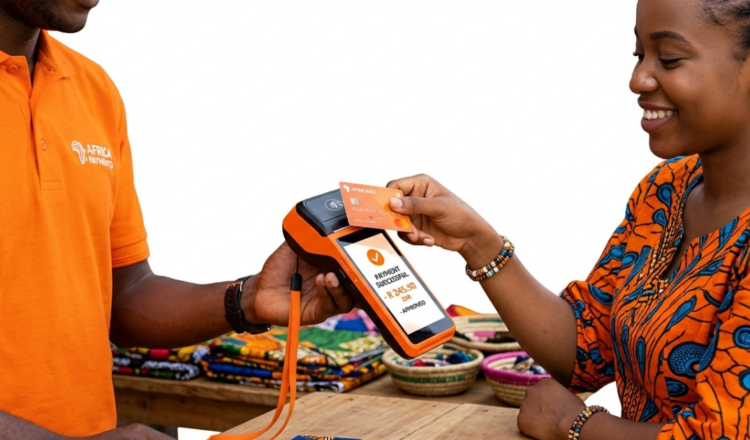
Lessons Learned from Scaling Fintech Platforms

Insights from Building Payments Infrastructure in One of the World’s Most Dynamic Markets
Africa is home to one of the fastest-growing fintech ecosystems on the planet. Innovation is occurring at a rapid pace, spanning from Lagos to Nairobi and Accra to Johannesburg. Yet, scaling a fintech platform across the continent isn’t as simple as exporting a successful model from one country to another.
The reality is that Africa is not one market — it’s 54 distinct ones, each with its own currencies, regulations, customer behaviors, and infrastructure gaps. And while the opportunities are vast, so are the challenges.
As companies like Unipesa have discovered firsthand, scaling in Africa requires more than capital and code — it takes strategic patience, local insight, and deep technical resilience.
In this article, we’ll explore the most important lessons learned from building and scaling fintech platforms across Africa — and what global players can learn from those who’ve already walked the path.
1. Lesson One: Local Context Isn’t Optional — It’s Everything
One of the first lessons any fintech learns when entering multiple African markets is this: context trumps strategy.
Consumer behavior in Nigeria looks nothing like Kenya. Payment culture in Ghana differs from South Africa. Even mobile money usage varies dramatically within the same region.
For example:
- In Kenya, mobile wallets dominate everyday transactions.
- In Nigeria, bank transfers are the preferred digital payment method.
- In francophone West Africa, interoperability remains limited due to fragmented systems.
Trying to deploy a “one-size-fits-all” product across such diversity is a recipe for failure.
That’s why Unipesa designed its infrastructure to be modular and adaptable, enabling local customization while maintaining a consistent backbone. Whether it’s integrating with a telecom provider in Uganda or supporting NIBSS standards in Nigeria, adaptability has become a cornerstone of successful scaling.
Lesson: Scale in Africa doesn’t mean expansion by replication. It means expansion by adaptation.
2. Lesson Two: Infrastructure Matters More Than Interfaces
Many fintech startups begin by focusing on front-end user experiences — sleek apps, flashy dashboards, and easy onboarding. But across Africa, infrastructure is what determines success.
Without reliable rails, even the most elegant product will crumble under the pressure of failed payments, network outages, or regulatory blockages.
Unipesa learned early on that sustainable scaling depends on invisible robustness — building APIs, settlement systems, and security frameworks that can handle high transaction volumes without breaking.
For instance:
- Reliable uptime ensures SMEs can operate 24/7.
- Fast settlements improve liquidity and trust.
- Cross-border interoperability enables regional expansion.
These aren’t “nice-to-haves.” They’re the foundation of fintech growth.
Lesson: Build the rails first — the apps will follow.
3. Lesson Three: Partnerships Are the Real Growth Engine
Scaling across Africa is not about going solo. It’s about building alliances.
The most successful fintech platforms know how to work with:
- Banks, for regulatory compliance and liquidity support.
- Telecoms, for access to mobile money infrastructure.
- Regulators, for licensing and sandbox participation.
- Merchants and SMEs, for user adoption and trust-building.
Unipesa’s expansion strategy relies heavily on collaboration, not competition. By integrating with multiple payment networks, it ensures businesses can transact across ecosystems instead of being locked into one.
This cooperative approach has another advantage — it helps create trust at scale, something no marketing campaign can replace.
Lesson: In Africa, you don’t scale by competing. You scale by connecting.
4. Lesson Four: Regulation Is a Relationship, Not a Roadblock
One of the most misunderstood aspects of African fintech is regulation.
Each country has its own licensing process, central bank rules, and compliance standards. While this can be complex, the smartest players treat regulation not as an obstacle but as an ongoing dialogue.
Unipesa’s success in navigating multiple jurisdictions came from proactive engagement—understanding regulatory intent early, co-designing solutions that protect users, and aligning with evolving frameworks like open banking and digital KYC.
Instead of rushing into markets, Unipesa builds trust with regulators, ensuring long-term operational stability.
Lesson: Regulation isn’t static. Those who engage early shape the future rules of the game.
5. Lesson Five: Data Is the Ultimate Competitive Advantage
In fragmented markets, visibility is gold. Data provides the clarity fintechs need to make informed decisions, detect fraud, and refine user experiences.
However, African fintechs face unique data challenges:
- Limited credit histories for individuals and SMEs.
- Inconsistent data sharing between institutions.
- Varying data privacy laws across borders.
To overcome these issues, Unipesa invested in data standardization and predictive analytics — allowing smarter risk assessment, trend forecasting, and personalized services.
By aggregating transaction data responsibly, Unipesa helps partners make better lending and investment decisions, boosting financial inclusion and reducing default risks.
Lesson: In Africa’s fintech ecosystem, those who understand the data understand the market.
6. Lesson Six: Trust Is the Real Currency
For millions of African consumers, trust is the deciding factor in using digital finance. A single failed transaction can undo months of marketing.
That’s why building consistent reliability — instant confirmation messages, accurate settlements, clear dispute resolution — is crucial.
Unipesa treats trust as both a product and a promise. Every design choice, from system redundancy to customer support response times, is built to reinforce confidence.
Lesson: Scaling fintech in Africa isn’t about user growth; it’s about trust growth.
7. Lesson Seven: Cross-Border Payments Are the Next Big Frontier
As trade within Africa expands under the African Continental Free Trade Area (AfCFTA), demand for frictionless cross-border payments is skyrocketing.
Yet, moving money across borders remains one of Africa’s biggest bottlenecks — fragmented currencies, high transfer fees, and limited interoperability make it difficult for businesses to operate regionally.
Unipesa addresses this through multi-currency payment rails and real-time settlement systems that connect markets seamlessly. SMEs using Unipesa can now send and receive payments across borders without worrying about exchange rate losses or delays.
This is where the next fintech revolution lies — in connecting Africa to itself.
Lesson: True scale in Africa isn’t national — it’s continental.
8. Lesson Eight: Resilience Is Built, Not Borrowed
Infrastructure in Africa can be unpredictable — power outages, internet disruptions, currency volatility, and political changes are all part of the landscape.
Successful fintechs learn to design for volatility, not against it.
That means:
- Building offline transaction options (e.g., USSD or SMS).
- Diversifying settlement banks.
- Keeping multiple backup systems for continuity.
Unipesa’s infrastructure is intentionally redundant and resilient — designed to stay operational even in challenging conditions. This reliability gives partners peace of mind and keeps businesses running when others stall.
Lesson: Don’t wait for stability — build it into your system.
9. Lesson Nine: Scaling Is as Much Cultural as It Is Technical
Beyond technology, scaling in Africa requires cultural intelligence.
Understanding how people perceive money, trust institutions, and communicate value is key. In some regions, verbal assurance carries more weight than written contracts. In others, local language support can dramatically improve adoption.
Unipesa invests in local teams and local partnerships, ensuring every market entry reflects genuine understanding — not top-down strategy.
Lesson: Code may be universal, but trust is always local.
10. Lesson Ten: The Future Belongs to Platform Thinkers
After years of scaling, one truth stands out: Africa’s fintech success will not be defined by the number of new apps but by the strength of its platforms.
The continent’s financial future depends on players who build shared infrastructure, enabling others to grow on top of it.
Unipesa’s platform model is exactly that — open, interoperable, and built for collaboration. It’s not about owning every user journey; it’s about powering ecosystems that uplift millions.
Lesson: The biggest winners in African fintech won’t own the market — they’ll connect it.
Final Thoughts
Scaling fintech across Africa is both thrilling and humbling. It demands creativity, patience, and a relentless focus on solving real problems.
The lessons learned, from adapting to local contexts to building resilient infrastructure, point toward one truth: Africa’s fintech growth isn’t linear but exponential when done right.
And as companies like Unipesa continue to lay the digital rails that connect people, payments, and opportunities, Africa isn’t just catching up — it’s showing the world what the future of finance looks like.