From Retail Shops to Agent Networks: Versatile Use Cases for Unipesa’s POS System
Introduction: POS Systems Are No Longer Just Payment Devices
For years, POS terminals were viewed as simple transaction tools.
Their role was straightforward:
- accept payments
- process transactions
- print receipts
Today, that role has changed dramatically.
Modern POS systems are becoming:
multi-functional financial infrastructure layers
They support:
- retail commerce
- agent banking
- cash-in and cash-out operations
- wallet services
- bill payments
- SME financial services
And in emerging markets, where financial systems are highly dynamic, POS infrastructure is evolving into one of the most important components of digital finance.
This is where Unipesa positions itself—not simply as a POS provider, but as an infrastructure platform capable of supporting diverse transaction ecosystems.
The Evolution of POS Infrastructure
Traditional POS systems focused mainly on:
- card acceptance
- merchant transactions
Modern systems operate very differently.
They are designed to:
- connect multiple payment rails
- support different transaction types
- function across diverse operational environments
Key shift: POS systems are moving from transaction devices → to infrastructure nodes.
Why Versatility Matters in Emerging Markets
Financial environments across emerging markets are fragmented.
Different users rely on:
- cash
- mobile wallets
- bank transfers
- merchant payments
- agent-assisted transactions
A rigid payment system cannot efficiently serve all of these needs.
Businesses require flexibility.
They need systems capable of operating across:
- retail environments
- informal commerce
- financial service points
- distributed agent networks
Retail Shops: Beyond Basic Transactions
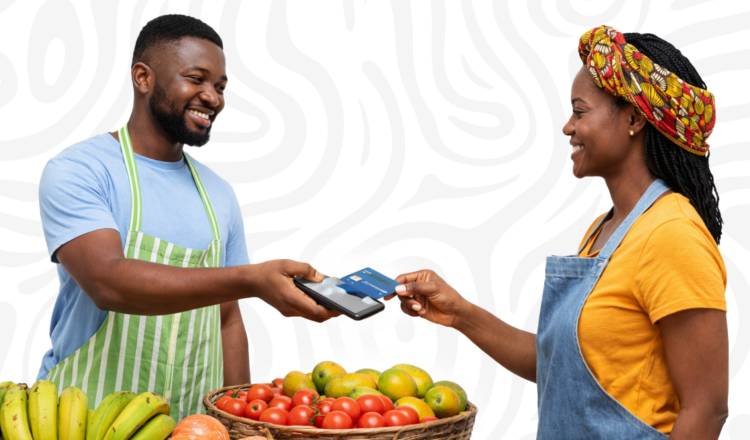
One of the most common POS use cases remains retail commerce.
Retail businesses use POS systems to:
- accept digital payments
- manage checkout flows
- improve customer convenience
But expectations have evolved.
Retailers now require:
- multi-payment support
- real-time transaction processing
- reliable uptime
- integrated reporting
With Unipesa, retail businesses can:
- process multiple payment types through a unified system
- reduce payment friction
- improve transaction reliability
Result: Faster checkout experiences and more efficient payment operations.
Agent Banking Networks
One of the most powerful applications of POS systems is agent banking.
Agents use POS devices to provide:
- cash withdrawals
- deposits
- transfers
- payment services
This extends financial services into:
- underserved areas
- remote communities
- cash-dominant environments
Key insight:
POS systems become physical access points to digital finance.
Cash-In and Cash-Out Operations
Cash remains essential in many markets.
POS systems bridge:
- physical cash
- digital financial systems
Through POS-enabled agents, users can:
- convert cash into digital balances
- withdraw digital funds as cash
This creates:
- financial accessibility
- liquidity access
- broader participation in digital economies
Bill Payments and Utility Services
POS systems increasingly support:
- utility bill payments
- airtime top-ups
- subscription services
Benefits include:
- convenience for users
- additional revenue streams for agents and merchants
- increased transaction volume
Wallet and Mobile Money Integration
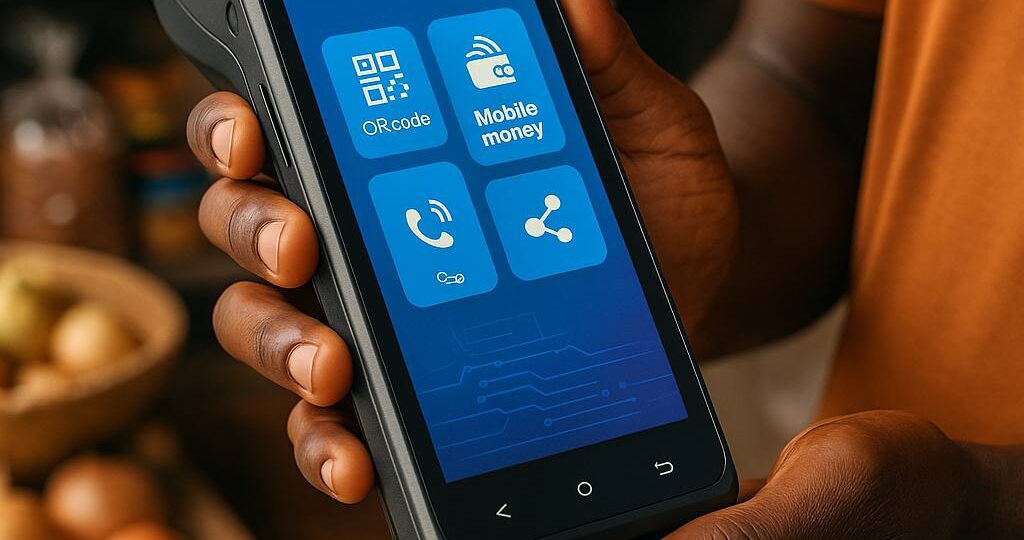
Modern POS systems must support:
- digital wallets
- mobile-based payments
- QR-based transactions
Unipesa enables this through:
- multi-rail payment connectivity
- unified infrastructure access
- seamless transaction orchestration
Result: One POS system can support multiple financial ecosystems simultaneously.
SME Financial Services
POS systems are also becoming data and service hubs for SMEs.
They can support:
- transaction analytics
- repayment collection
- credit-linked services
Transaction activity creates valuable insights into:
- business performance
- cash flow behavior
- operational consistency
This enables future financial services such as:
- embedded lending
- working capital access
- data-driven financial products
Multi-Market Scalability
Scaling POS systems across markets is complex.
Each market introduces:
- different payment providers
- different regulations
- different transaction behaviors
Infrastructure platforms simplify this challenge.
Unipesa enables:
- centralized integration
- unified transaction management
- scalable deployment across markets
Reliability Across Use Cases
Versatility is meaningless without reliability.
POS systems must operate consistently across:
- high-volume retail environments
- distributed agent networks
- unstable connectivity conditions
This requires:
- smart routing
- failover systems
- continuous monitoring
Unipesa supports this through:
- real-time infrastructure optimization
- transaction monitoring
- multi-provider connectivity
Security Across Financial Operations
Because POS systems handle:
- payments
- identity verification
- financial activity
Security becomes critical.
Core requirements include:
- encrypted transaction flows
- secure authentication
- fraud prevention mechanisms
Infrastructure-level security ensures trust across every use case.
The Shift Toward Intelligent POS Infrastructure
Modern POS systems are evolving into:
- connected financial nodes
- intelligent transaction layers
- operational data hubs
Future capabilities may include:
- AI-driven transaction routing
- predictive analytics
- automated optimization
The Business Impact of Versatile POS Systems
For businesses and operators, versatile POS infrastructure creates:
1. Expanded Revenue Opportunities
More transaction types → more monetization paths
2. Greater Customer Reach
Ability to serve multiple customer segments
3. Improved Operational Efficiency
Unified systems reduce complexity
4. Better Scalability
Infrastructure-driven deployment across markets
Conclusion: POS Infrastructure as a Financial Ecosystem Layer
POS systems are no longer just devices.
They are: multi-purpose infrastructure layers powering modern financial ecosystems
From:
- retail shops
- to agent banking networks
- to digital financial services
their role continues to expand.
Platforms like Unipesa make this evolution possible by enabling:
- connectivity
- scalability
- reliability across use cases
Because in modern fintech:
The most valuable POS systems are not those that process transactions.
They are those that connect entire financial ecosystems.